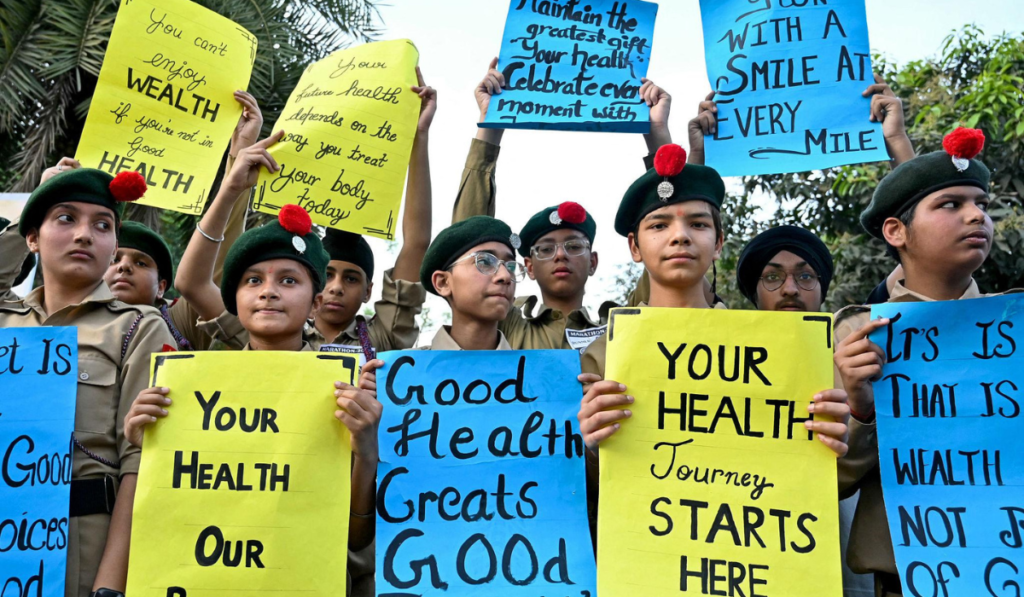

Promoting Health, Preventing Disease
Introduction Health is one of the most valuable aspects of human life, yet it is often taken for granted until it is compromised. In today’s fast-paced world, where lifestyles are increasingly sedentary and stress levels continue to rise, the importance of promoting health and preventing disease has never been more critical. Health is not merely the absence of illness; it is a state of complete physical, mental, and social well-being. To achieve and sustain this state, individuals and communities must actively engage in practices that enhance wellness while reducing the risk of diseases. Promoting health and preventing disease are interconnected goals that require awareness, education, and consistent action from individuals, healthcare systems, and society as a whole. The concept of health promotion revolves around empowering people to take control of their health by making informed choices. It emphasizes lifestyle changes, environmental improvements, and access to healthcare resources that support overall well-being. Disease prevention, on the other hand, focuses on reducing the occurrence of illnesses through proactive measures such as vaccinations, screenings, and healthy habits. Together, these approaches create a strong foundation for a healthier society, reducing the burden on healthcare systems and improving quality of life. One of the most important aspects of promoting health is maintaining a balanced lifestyle. A healthy lifestyle includes proper nutrition, regular physical activity, adequate sleep, and stress management. Nutrition plays a vital role in supporting bodily functions and preventing chronic diseases. Consuming a diet rich in fruits, vegetables, whole grains, lean proteins, and healthy fats provides essential nutrients that help the body function efficiently. Poor dietary habits, such as excessive consumption of processed foods, sugar, and unhealthy fats, can lead to obesity, diabetes, heart disease, and other serious health conditions. Physical activity is another cornerstone of good health. Regular exercise strengthens the cardiovascular system, improves muscle tone, enhances flexibility, and boosts mental health. Engaging in activities such as walking, jogging, cycling, or yoga can significantly reduce the risk of chronic diseases while improving overall energy levels. In contrast, a sedentary lifestyle contributes to weight gain, poor circulation, and increased susceptibility to illness. Incorporating even small amounts of movement into daily routines can make a substantial difference in long-term health outcomes. Sleep is often overlooked but is essential for maintaining optimal health. The body requires sufficient rest to repair tissues, regulate hormones, and support cognitive function. Lack of sleep can lead to weakened immunity, increased stress, and a higher risk of developing chronic conditions. Establishing a consistent sleep routine and creating a restful environment are important steps toward improving sleep quality and overall well-being. Mental health is equally important in the journey toward a healthy life. Stress, anxiety, and depression can have profound effects on physical health, weakening the immune system and increasing vulnerability to disease. Practicing mindfulness, meditation, and relaxation techniques can help manage stress and promote emotional balance. Building strong social connections and seeking support when needed also contribute to better mental health. Preventing disease requires a proactive approach that includes regular health check-ups and screenings. Early detection of diseases such as cancer, diabetes, and hypertension can significantly improve treatment outcomes and reduce complications. Vaccinations are another critical component of disease prevention, protecting individuals and communities from infectious diseases. Public health initiatives that promote vaccination and awareness campaigns play a vital role in preventing the spread of illnesses. Hygiene and sanitation are fundamental to disease prevention. Simple practices such as washing hands regularly, maintaining clean living environments, and ensuring safe food preparation can prevent the spread of infections. Access to clean water and proper sanitation facilities is essential for maintaining public health, particularly in underserved communities. Education on hygiene practices can empower individuals to protect themselves and others from preventable diseases. Environmental factors also influence health and disease prevention. Pollution, unsafe living conditions, and lack of access to healthcare services can negatively impact health outcomes. Efforts to create healthier environments, such as reducing air pollution, ensuring safe housing, and providing access to healthcare facilities, are crucial for promoting well-being. Governments and organizations play a significant role in implementing policies that support healthy environments and reduce health disparities. Lifestyle-related diseases, also known as non-communicable diseases, have become increasingly prevalent in modern society. Conditions such as heart disease, diabetes, and obesity are largely preventable through healthy lifestyle choices. Raising awareness about the risks associated with unhealthy habits and encouraging positive behavior changes are essential steps in combating these diseases. Community programs, health education campaigns, and workplace wellness initiatives can help individuals adopt healthier lifestyles. Health education is a powerful tool in promoting health and preventing disease. Providing accurate and accessible information enables individuals to make informed decisions about their health. Schools, workplaces, and community centers can serve as platforms for health education, teaching people about nutrition, physical activity, hygiene, and disease prevention. Empowering individuals with knowledge fosters a sense of responsibility and encourages proactive health management. The role of technology in health promotion and disease prevention has grown significantly in recent years. Digital health tools, mobile applications, and wearable devices allow individuals to monitor their health, track physical activity, and access health information بسهولة. Telemedicine has made healthcare more accessible, enabling people to consult healthcare professionals remotely. These advancements have the potential to improve health outcomes and make preventive care more accessible to a wider population. Community involvement is essential in creating a culture of health. When communities come together to promote healthy behaviors, the impact is far-reaching. Initiatives such as community fitness programs, health fairs, and awareness campaigns can inspire individuals to adopt healthier lifestyles. Support from family, friends, and community members plays a crucial role in maintaining motivation and sustaining positive changes. Workplace wellness programs are another effective way to promote health and prevent disease. Employers can support the well-being of their employees by providing resources such as fitness facilities, healthy food options, and stress management programs. Encouraging a healthy work-life balance and creating a supportive work environment can improve productivity and reduce absenteeism due to illness. Preventive healthcare is not only