- +44 070 2809 8032
- info@eatenews.com
- 39 Russell Rd ,Shipton-under-wychwood, United Kingdom.

Healthy eating is more than just a trend or a temporary lifestyle change; it is a long-term commitment to nurturing the body, mind, and overall well-being. In a fast-paced world where convenience often takes priority over nutrition, making mindful food choices has become increasingly important. The food consumed daily plays a crucial role in shaping health, influencing energy levels, supporting bodily functions, and even affecting mood and mental clarity. A balanced and nutritious diet is the foundation of a better life, helping prevent diseases, enhance longevity, and improve quality of living. Understanding the principles of healthy eating and integrating them into everyday routines can transform not only physical health but also emotional and mental resilience.

The journey toward healthy eating begins with awareness. Many individuals are unaware of what constitutes a balanced diet, often relying on processed foods that are high in sugar, salt, and unhealthy fats. These foods may provide temporary satisfaction but lack essential nutrients required for the body to function optimally. Healthy eating emphasizes whole, natural foods that are rich in vitamins, minerals, fiber, and antioxidants. Fruits, vegetables, whole grains, lean proteins, and healthy fats form the core of a nutritious diet. Each of these components plays a unique role in maintaining health, from supporting immune function to aiding digestion and promoting heart health.
One of the key aspects of healthy eating is balance. A well-balanced diet ensures that the body receives all necessary nutrients in the right proportions. Carbohydrates provide energy, proteins support muscle repair and growth, fats aid in nutrient absorption and hormone production, and vitamins and minerals regulate various bodily processes. Eliminating any one group entirely can lead to deficiencies and health complications. Instead, moderation and variety are essential. Consuming a wide range of foods ensures that the body benefits from diverse nutrients, reducing the risk of deficiencies and promoting overall health.
Portion control is another important factor in healthy eating. Even nutritious foods can contribute to weight gain and health issues if consumed in excessive amounts. Understanding portion sizes and listening to the body’s hunger and fullness cues can help maintain a healthy weight. Mindful eating practices, such as eating slowly, savoring each bite, and avoiding distractions during meals, can enhance the eating experience and prevent overeating. This approach not only supports physical health but also fosters a positive relationship with food.
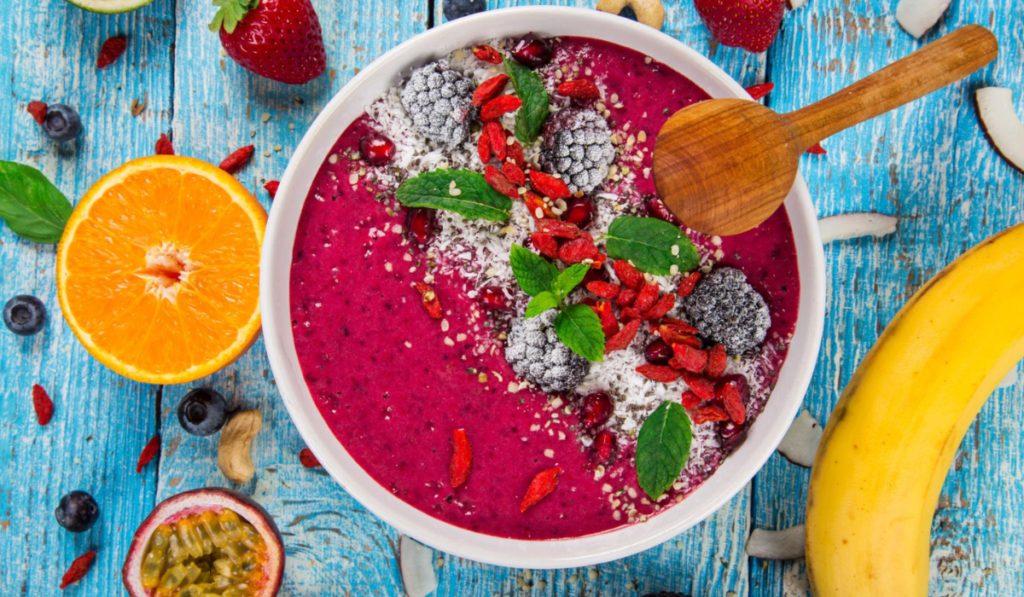
The importance of fruits and vegetables in a healthy diet cannot be overstated. These natural foods are packed with essential nutrients and antioxidants that protect the body from harmful free radicals. Regular consumption of fruits and vegetables has been linked to a reduced risk of chronic diseases such as heart disease, diabetes, and certain cancers. Incorporating a variety of colors in the diet ensures a broad spectrum of nutrients. For example, leafy greens are rich in iron and calcium, while brightly colored fruits like oranges and berries provide vitamin C and antioxidants.
Whole grains are another cornerstone of healthy eating. Unlike refined grains, whole grains retain their bran and germ, which are rich in fiber and nutrients. Foods such as brown rice, oats, whole wheat, and quinoa provide sustained energy and support digestive health. Fiber plays a crucial role in maintaining gut health, preventing constipation, and regulating blood sugar levels. Including whole grains in daily meals can contribute to a feeling of fullness, reducing the likelihood of overeating and supporting weight management.
Protein is essential for building and repairing tissues, producing enzymes and hormones, and supporting overall growth and development. Healthy protein sources include lean meats, fish, eggs, legumes, nuts, and seeds. Plant-based proteins, such as beans and lentils, are particularly beneficial as they are low in fat and high in fiber. Incorporating a mix of animal and plant-based proteins can provide a comprehensive range of amino acids and nutrients.
Healthy fats, often misunderstood, are an important part of a balanced diet. Unsaturated fats, found in foods like avocados, nuts, seeds, and olive oil, support heart health and help absorb fat-soluble vitamins. On the other hand, trans fats and excessive saturated fats should be limited as they can increase the risk of heart disease. Understanding the difference between healthy and unhealthy fats allows individuals to make better dietary choices and maintain optimal health.
Hydration is another critical component of healthy eating. Water is essential for maintaining bodily functions, regulating temperature, and supporting digestion. Many people underestimate the importance of staying hydrated, often confusing thirst with hunger. Drinking adequate water throughout the day can improve energy levels, enhance concentration, and support overall health. Replacing sugary beverages with water or natural alternatives like herbal teas can significantly reduce calorie intake and promote better health.
Healthy eating is closely linked to disease prevention. A nutritious diet can reduce the risk of developing chronic conditions such as obesity, diabetes, hypertension, and cardiovascular diseases. Consuming foods rich in antioxidants and anti-inflammatory properties helps protect the body from damage and supports immune function. Additionally, maintaining a healthy weight through proper nutrition and physical activity further reduces the risk of illness and enhances longevity.
Mental health is also influenced by dietary habits. The connection between the gut and the brain highlights the importance of nutrition in supporting mental well-being. Foods rich in omega-3 fatty acids, vitamins, and minerals can improve mood, reduce stress, and enhance cognitive function. On the other hand, diets high in processed foods and sugars have been associated with increased risks of depression and anxiety. Adopting healthy eating habits can contribute to emotional stability and overall mental clarity.
Incorporating healthy eating into daily life does not require drastic changes. Small, gradual adjustments can lead to lasting results. Planning meals in advance, cooking at home, and choosing fresh ingredients are effective ways to maintain a nutritious diet. Reading food labels and being aware of hidden sugars, salts, and unhealthy fats can help make informed decisions. Additionally, practicing moderation rather than strict restriction allows for a sustainable approach to healthy eating.
Cultural and social factors also play a role in dietary choices. Traditional cuisines often include nutritious ingredients and cooking methods that can be adapted to modern lifestyles. Embracing cultural foods while making healthier modifications can create a balanced and enjoyable diet. Social settings, such as family gatherings and celebrations, can also influence eating habits. Being mindful of choices in these situations and maintaining balance can help sustain healthy habits without feeling deprived.
Physical activity complements healthy eating and enhances its benefits. Regular exercise supports metabolism, strengthens muscles, and improves cardiovascular health. When combined with a balanced diet, physical activity contributes to overall fitness and well-being. Engaging in activities such as walking, yoga, or sports can make exercise enjoyable and sustainable.
Healthy eating is not about perfection but consistency. Occasional indulgences are a natural part of life and should not lead to guilt or restriction. The focus should be on maintaining a balanced diet over time rather than adhering to rigid rules. Building healthy habits requires patience and commitment, but the long-term benefits are invaluable.
Education and awareness are key to promoting healthy eating. Access to accurate information and resources empowers individuals to make informed choices. Schools, communities, and organizations play a vital role in spreading awareness and encouraging healthy lifestyles. Teaching children about nutrition from a young age can instill lifelong habits and contribute to a healthier future generation.
The impact of healthy eating extends beyond individual health to environmental sustainability. Choosing locally sourced, seasonal, and minimally processed foods reduces the environmental footprint and supports sustainable practices. Reducing food waste and being mindful of consumption can contribute to a healthier planet.
In conclusion, healthy eating is a powerful tool for achieving a better life. It supports physical health, enhances mental well-being, and promotes longevity. By making mindful choices, embracing balance and variety, and adopting sustainable habits, individuals can transform their lives and experience the true benefits of nutrition. The journey toward healthy eating is a continuous process, but every step taken in the right direction contributes to a healthier, happier, and more fulfilling life.