- +44 070 2809 8032
- info@eatenews.com
- 39 Russell Rd ,Shipton-under-wychwood, United Kingdom.

Fueling the body the right way is not just about eating to satisfy hunger; it is about nourishing every cell, supporting every function, and building a foundation for long-term health, energy, and vitality. In a fast-paced world where convenience often replaces quality, understanding how to properly fuel the body has become more important than ever. Food is more than fuel in the mechanical sense—it is information that communicates with the body, influencing metabolism, mood, immunity, and overall well-being. From the moment the day begins to the time the body rests at night, every bite plays a role in shaping health outcomes. A balanced and thoughtful approach to nutrition ensures that the body operates efficiently, maintains energy levels, and reduces the risk of chronic illnesses.

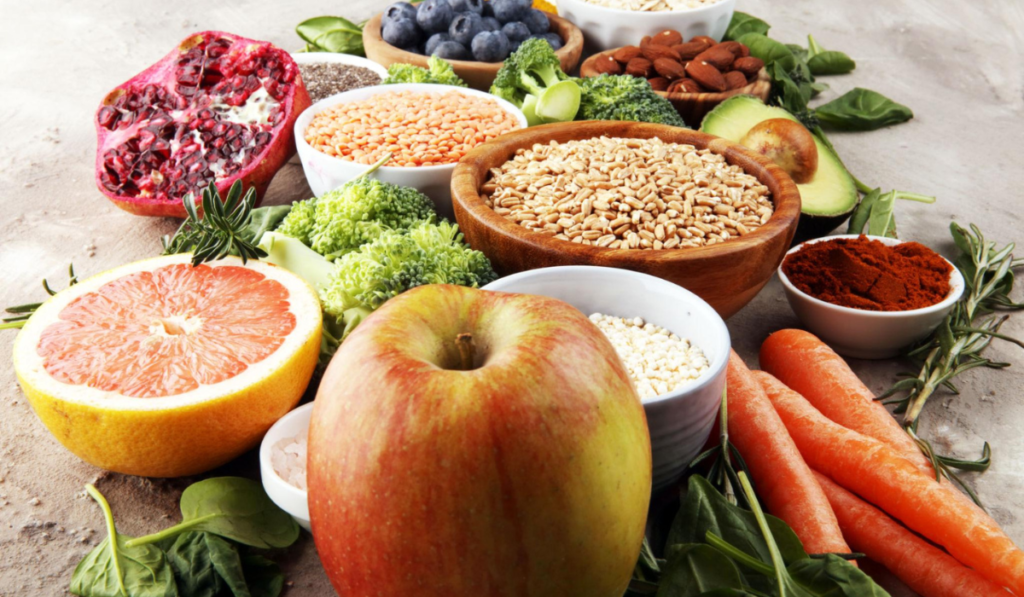
The human body is an intricate system that requires a variety of nutrients to function properly. Macronutrients such as carbohydrates, proteins, and fats provide energy and structural support, while micronutrients like vitamins and minerals regulate countless biological processes. Carbohydrates are often misunderstood, yet they serve as the primary energy source for the body, especially for the brain. Choosing complex carbohydrates such as whole grains, fruits, and vegetables ensures a steady release of energy rather than sudden spikes and crashes. Proteins are essential for tissue repair, muscle growth, and the production of enzymes and hormones. Including a variety of protein sources such as legumes, dairy, nuts, seeds, and lean meats supports overall strength and recovery. Healthy fats, often unfairly avoided, play a crucial role in brain function, hormone production, and the absorption of fat-soluble vitamins. Incorporating sources like avocados, nuts, seeds, and oils helps maintain balance within the body.
Understanding portion control is equally important as choosing the right foods. Overeating, even when consuming healthy foods, can strain the digestive system and lead to unwanted weight gain. Listening to the body’s hunger and fullness signals allows for a more intuitive and mindful eating experience. Eating slowly, savoring each bite, and avoiding distractions during meals can significantly improve digestion and satisfaction. Hydration also plays a vital role in fueling the body. Water supports digestion, regulates temperature, transports nutrients, and removes waste. Dehydration can lead to fatigue, headaches, and decreased concentration, making it essential to maintain consistent fluid intake throughout the day.
Meal timing and consistency contribute significantly to how the body utilizes nutrients. Skipping meals can disrupt metabolism and lead to overeating later, while regular, balanced meals help maintain stable blood sugar levels. Starting the day with a nutritious breakfast provides the energy needed to kickstart metabolism and improve focus. Lunch should sustain energy levels, and dinner should support recovery without overwhelming the digestive system. Healthy snacks between meals can prevent energy dips and keep hunger at bay. Choosing nutrient-dense snacks such as fruits, nuts, or yogurt helps maintain balance and supports overall dietary goals.
The quality of food consumed has a direct impact on health. Whole, minimally processed foods provide more nutrients and fewer additives compared to highly processed alternatives. Processed foods often contain excessive amounts of sugar, unhealthy fats, and sodium, which can contribute to health issues such as obesity, heart disease, and diabetes. Reading food labels and being aware of ingredients can empower individuals to make better choices. Cooking at home allows for greater control over ingredients and portion sizes, making it easier to maintain a balanced diet.
A well-fueled body is also closely connected to physical activity. Exercise and nutrition work together to enhance performance, build strength, and improve overall health. Consuming the right nutrients before and after physical activity ensures that the body has the energy to perform and the resources to recover. Pre-workout meals should include carbohydrates for energy and a small amount of protein, while post-workout meals should focus on protein for muscle repair and carbohydrates to replenish energy stores. Staying hydrated during physical activity is equally important to maintain performance and prevent fatigue.
Mental health is deeply influenced by nutrition. The brain requires a constant supply of nutrients to function optimally, and deficiencies can affect mood, concentration, and cognitive function. Foods rich in omega-3 fatty acids, antioxidants, and vitamins support brain health and reduce inflammation. A balanced diet can help manage stress, improve sleep quality, and enhance overall mental clarity. Emotional eating, often triggered by stress or boredom, can disrupt healthy eating patterns. Developing awareness of emotional triggers and finding alternative coping strategies can support a healthier relationship with food.
Cultural and personal preferences play a significant role in dietary habits. There is no one-size-fits-all approach to nutrition, and what works for one person may not work for another. Understanding individual needs, preferences, and lifestyle factors allows for a more sustainable and enjoyable approach to healthy eating. Traditional diets often include a variety of nutrient-rich foods that have been consumed for generations. Embracing these traditions while incorporating modern nutritional knowledge can create a balanced and culturally relevant approach to fueling the body.
Sleep and recovery are often overlooked aspects of health that are closely tied to nutrition. The body repairs and regenerates during sleep, and proper nutrition supports this process. Consuming heavy or unhealthy meals late at night can disrupt sleep patterns, while balanced meals and proper hydration promote better rest. Lack of sleep can affect hunger hormones, leading to increased cravings and poor food choices. Prioritizing both nutrition and sleep creates a strong foundation for overall health and well-being.
Building healthy habits takes time, consistency, and patience. Small, gradual changes are more sustainable than drastic, short-term efforts. Replacing sugary beverages with water, incorporating more fruits and vegetables into meals, and reducing processed food intake are simple steps that can make a significant difference over time. Setting realistic goals and celebrating progress helps maintain motivation and encourages long-term success. Support from family, friends, or a community can also play a valuable role in maintaining healthy habits.
Education and awareness are key components of making informed dietary choices. Understanding how different foods affect the body empowers individuals to take control of their health. Access to reliable information and the ability to critically evaluate dietary trends and fads can prevent confusion and misinformation. Many popular diets promise quick results but may not provide balanced nutrition or long-term sustainability. Focusing on evidence-based practices and listening to the body’s needs ensures a more effective and lasting approach to health.
The environment in which food choices are made also influences eating habits. Easy access to unhealthy foods and limited availability of fresh, nutritious options can make it challenging to maintain a balanced diet. Creating a supportive environment by stocking healthy foods, planning meals, and avoiding unnecessary temptations can make a significant difference. Preparing meals in advance and keeping healthy snacks readily available can help maintain consistency even during busy days.
Children and adolescents require proper nutrition for growth and development. Establishing healthy eating habits at a young age sets the foundation for lifelong health. Encouraging a variety of foods, limiting sugary snacks, and involving children in meal preparation can make healthy eating more enjoyable and engaging. Education about nutrition should be simple, practical, and age-appropriate, helping young individuals understand the importance of fueling their bodies correctly.
As individuals age, nutritional needs may change. Older adults may require fewer calories but more nutrients to support bone health, muscle maintenance, and overall well-being. Adequate intake of calcium, vitamin D, and protein becomes increasingly important. Staying hydrated and maintaining a balanced diet helps support energy levels and prevent age-related health issues. Regular check-ups and personalized dietary adjustments can ensure that nutritional needs are met at every stage of life.
Technology and modern lifestyles have introduced both challenges and opportunities in nutrition. While fast food and sedentary habits have become more common, access to information, fitness tools, and healthy recipes has also increased. Using technology to track meals, plan diets, and stay informed can support healthier choices. However, it is important to avoid becoming overly dependent on trends or unrealistic standards promoted through digital platforms. A balanced approach that combines knowledge with practicality is essential.
Ultimately, fueling the body the right way is about creating harmony between food, lifestyle, and individual needs. It is not about strict rules or deprivation but about making thoughtful, consistent choices that support health and happiness. Every meal is an opportunity to nourish the body, and every choice contributes to overall well-being. By understanding the importance of balanced nutrition, staying mindful of habits, and making gradual improvements, it is possible to build a lifestyle that promotes long-term health, energy, and vitality. The journey toward better health begins with a single step, and with the right approach, it becomes a sustainable and rewarding path that enhances every aspect of life.