- +44 070 2809 8032
- info@eatenews.com
- 39 Russell Rd ,Shipton-under-wychwood, United Kingdom.

In today’s fast-moving and ever-demanding world, calmness often feels like a distant luxury rather than a natural state of being. The rhythm of modern life, filled with constant notifications, deadlines, responsibilities, and social expectations, has created an environment where the mind rarely gets a moment to rest. People wake up to alarms, rush through routines, juggle work and personal obligations, and go to bed with thoughts still racing. Over time, this relentless pace begins to take a toll on mental, emotional, and even physical health. Yet, despite the chaos that surrounds daily life, calmness is not something that needs to be searched for in faraway places. It is something that can be cultivated from within, even in the busiest environments.

The concept of calm is often misunderstood. Many associate it with complete silence, isolation, or the absence of problems. However, true calmness is not about escaping life but about learning how to remain steady and centered amidst it. It is the ability to maintain clarity of mind even when situations become overwhelming. It is about creating a sense of inner peace that does not depend entirely on external conditions. Understanding this distinction is the first step toward finding calm in a busy world.
One of the primary reasons people struggle to find calm is the constant stimulation they experience throughout the day. Technology, while incredibly beneficial, has contributed significantly to this challenge. Smartphones, social media, emails, and instant messaging keep the brain in a state of continuous engagement. There is always something to check, respond to, or react to. This constant input leaves little room for the mind to relax or process thoughts naturally. As a result, stress levels increase, focus decreases, and emotional balance becomes harder to maintain.
To begin the journey toward calmness, it is essential to create small moments of stillness within the day. These moments do not need to be long or elaborate. Even a few minutes of quiet breathing can make a noticeable difference. When the mind is given a chance to pause, it starts to reset. Breathing deeply and consciously helps slow down the heart rate and signals the body to relax. Over time, this simple practice can become a powerful tool for managing stress and restoring balance.
Another important aspect of finding calm is learning how to manage thoughts effectively. The human mind is naturally active, constantly generating ideas, worries, and reflections. While this is a normal function, problems arise when thoughts become overwhelming or negative. Many people find themselves stuck in cycles of overthinking, replaying past events, or worrying excessively about the future. These patterns not only drain energy but also prevent the mind from experiencing peace.
Developing awareness of one’s thoughts is a crucial step in breaking this cycle. When individuals begin to observe their thoughts rather than immediately reacting to them, they create a space between stimulus and response. This space allows for more thoughtful and balanced reactions. Practices such as mindfulness and meditation can help strengthen this awareness. By focusing attention on the present moment, individuals can gradually reduce the intensity of intrusive thoughts and cultivate a sense of calm.
The environment also plays a significant role in influencing mental state. Cluttered, noisy, and chaotic surroundings can contribute to feelings of stress and restlessness. On the other hand, organized and peaceful spaces can promote relaxation and clarity. Creating a calming environment does not require major changes. Simple actions such as keeping spaces tidy, incorporating natural elements like plants, and reducing unnecessary noise can have a positive impact on overall well-being.
In addition to external factors, lifestyle choices greatly affect the ability to maintain calmness. Sleep, nutrition, and physical activity are fundamental components of a balanced life. Lack of sleep can lead to irritability, reduced concentration, and increased stress levels. Similarly, poor nutrition can affect energy levels and mood. Regular physical activity, on the other hand, helps release tension, improve mood, and enhance overall mental health. By taking care of the body, individuals create a strong foundation for a calm and resilient mind.
Time management is another critical factor in reducing stress and fostering calmness. Many people feel overwhelmed not because they have too much to do, but because they struggle to organize their tasks effectively. Procrastination, lack of planning, and unrealistic expectations can lead to unnecessary pressure. By setting clear priorities, breaking tasks into manageable steps, and allocating time wisely, individuals can reduce the feeling of being overwhelmed. This structured approach allows for a more balanced and less stressful daily routine.
It is also important to recognize the role of boundaries in maintaining calmness. In a world that often demands constant availability, learning to say no becomes essential. Overcommitting to responsibilities and obligations can quickly lead to burnout. Setting healthy boundaries helps protect time and energy, allowing individuals to focus on what truly matters. This practice not only reduces stress but also enhances the quality of both work and personal life.
Emotional well-being is deeply connected to the ability to stay calm. Unresolved emotions, whether they are related to past experiences or current challenges, can create internal tension. Ignoring or suppressing these emotions does not make them disappear; instead, they often resurface in more intense ways. Taking the time to acknowledge and process emotions is a vital step toward inner peace. This can be done through journaling, talking to trusted individuals, or seeking professional support when needed.
Human connections also play a significant role in maintaining a sense of calm. Supportive relationships provide comfort, understanding, and a sense of belonging. Sharing thoughts and experiences with others can help reduce feelings of isolation and stress. At the same time, it is important to be mindful of relationships that may contribute to negativity or emotional strain. Surrounding oneself with positive and supportive individuals can create an environment that nurtures calmness and well-being.
Another powerful way to cultivate calm is through engaging in activities that bring joy and fulfillment. Hobbies, creative pursuits, and leisure activities provide an opportunity to disconnect from daily pressures and focus on something enjoyable. Whether it is reading, painting, gardening, or listening to music, these activities can have a therapeutic effect on the mind. They allow individuals to recharge and return to their responsibilities with renewed energy and perspective.
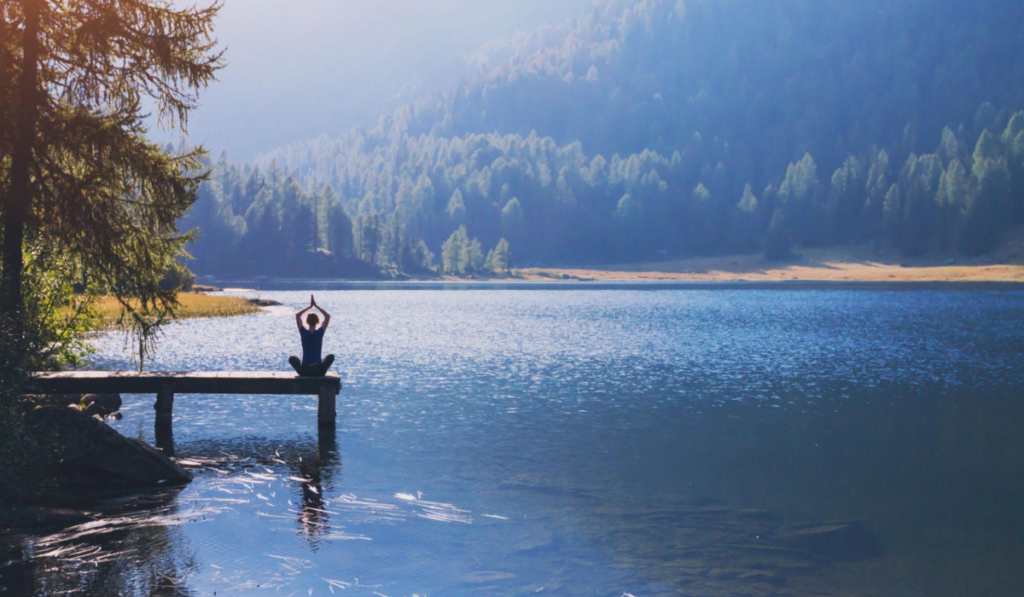
Nature has a unique ability to promote calmness and relaxation. Spending time outdoors, even for a short duration, can have a profound impact on mental health. The sights, sounds, and rhythms of nature help reduce stress and improve mood. Walking in a park, sitting near water, or simply observing the natural world can create a sense of peace that is difficult to achieve in artificial environments. Incorporating nature into daily life, whenever possible, can be a valuable practice for maintaining calm.
In the pursuit of calmness, it is also important to let go of the need for perfection. Many individuals place immense pressure on themselves to meet unrealistic standards, whether in their careers, relationships, or personal goals. This constant striving for perfection can lead to stress, frustration, and self-doubt. Accepting that imperfections are a natural part of life allows individuals to approach challenges with a more balanced and compassionate mindset. This shift in perspective can significantly reduce stress and enhance overall well-being.
Gratitude is another simple yet powerful practice that can contribute to a calmer mind. By focusing on the positive aspects of life, individuals can shift their attention away from stress and negativity. Taking a moment each day to reflect on things to be grateful for can create a sense of contentment and appreciation. This practice does not eliminate challenges, but it helps create a more balanced and optimistic outlook.
The journey toward finding calm is not a one-time effort but an ongoing process. It requires consistent practice and a willingness to make small changes in daily habits. There will be moments when stress and chaos feel overwhelming, and that is a natural part of life. What matters is the ability to return to a state of calm, again and again, through conscious effort and self-awareness.
It is also important to be patient with oneself during this process. Developing new habits and changing thought patterns takes time. There may be setbacks along the way, but these should not be seen as failures. Instead, they are opportunities to learn and grow. Each step taken toward calmness, no matter how small, contributes to a more balanced and fulfilling life.
In a world that often celebrates busyness and constant activity, choosing calmness can feel like going against the norm. However, it is a choice that brings significant benefits. A calm mind enhances focus, improves decision-making, strengthens relationships, and promotes overall health. It allows individuals to navigate challenges with clarity and resilience, rather than reacting impulsively or becoming overwhelmed.
Ultimately, finding calm in a busy world is about creating a harmonious relationship between external demands and internal well-being. It is about recognizing that while it may not be possible to control everything that happens, it is possible to control how one responds. By cultivating awareness, practicing mindfulness, maintaining healthy habits, and nurturing positive relationships, individuals can create a sense of calm that remains steady even in the midst of chaos.
As life continues to move at a rapid pace, the importance of calmness becomes even more evident. It is not merely a state to be achieved but a way of living. By making calmness a priority, individuals can transform their experience of the world, finding peace not in the absence of activity, but in the presence of balance and inner stability.