Nutrition & Healthy Eating

1

Plant-Based Protein Snacks

Introduction Plant-based protein snacks make it easy to stay energized between meals without relying on processed foods. Built from beans, lentils, soy, nuts, and seeds, these snacks deliver protein, fiber, and healthy fats that keep you full and focused. They’re quick to assemble, budget-friendly, and adaptable to any diet—perfect for work, school, or post-workout fuel. Why Choose Plant Protein Snacks? Compared to sugary or refined-carb snacks, plant-protein options provide steady energy and better appetite control. The fiber in legumes and seeds supports gut health, while micronutrients like iron, magnesium, and zinc aid recovery and overall wellness. Whether you’re vegan or just protein-curious, swapping in plant-forward snacks is an easy win for health and sustainability. Building a Balanced Snack (Step by Step) Quick Snack Ideas You’ll Actually Make Key Points (At-a-Glance) Conclusion Plant-Based Protein Snacks prove healthy eating can be simple, tasty, and practical. By pairing a protein base with fiber, healthy fats, and bold seasoning, you’ll build snacks that curb cravings and support fitness goals—without the sugar crash. Prep a few options each week, keep portions ready to grab, and you’ll have nutrient-dense bites that fit seamlessly into a busy, wellness-focused lifestyle.

Plant-Based Protein Snacks Read More »

1

Heart-Healthy Mediterranean Diet Dishes

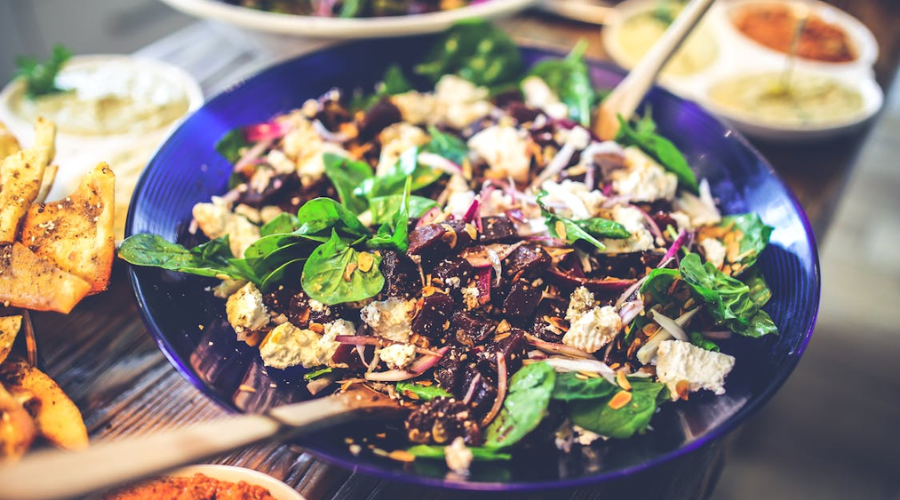
Introduction The Mediterranean diet is celebrated worldwide for its ability to promote heart health, longevity, and overall wellness. Rooted in the traditional eating habits of countries bordering the Mediterranean Sea, this diet emphasizes fresh vegetables, fruits, whole grains, legumes, nuts, and heart-healthy fats like olive oil. By focusing on natural, nutrient-dense foods, Mediterranean dishes not only nourish the body but also protect it against cardiovascular diseases. Nutritional Foundation The strength of the Mediterranean diet lies in its balance of essential nutrients. Olive oil provides monounsaturated fats that reduce bad cholesterol and support heart function, while leafy greens and colorful vegetables supply antioxidants that fight oxidative stress. Fish such as salmon, sardines, and mackerel deliver omega-3 fatty acids, which reduce inflammation and lower the risk of heart disease. Combined with fiber-rich legumes and whole grains, this diet creates meals that are both filling and heart-protective. Popular Mediterranean Dishes Mediterranean cuisine offers a wide variety of heart-friendly meals that are delicious and easy to prepare. Classics like Greek salad with feta and olives, grilled fish drizzled with lemon and herbs, or chickpea-based hummus with whole-grain pita are rich in nutrients and flavor. Other popular options include roasted vegetables, lentil soups, and tomato-based pasta dishes made with fresh herbs and minimal processed ingredients. Each dish celebrates simplicity, freshness, and nutritional balance Lifestyle & Eating Habits What makes the Mediterranean diet truly effective is not just the food, but the lifestyle surrounding it. Meals are often enjoyed slowly, shared with family and friends, and paired with physical activity, which enhances both digestion and overall health. Portion control, mindful eating, and the use of fresh, seasonal produce all play an important role in making this diet sustainable and heart-friendly. Key Benefits of Heart-Healthy Mediterranean Diet Dishes Conclusion Heart-healthy Mediterranean diet dishes prove that nutritious eating doesn’t have to compromise taste. With their focus on fresh produce, healthy fats, and lean proteins, these meals deliver both flavor and long-term health benefits. By embracing this balanced way of eating, you not only support cardiovascular health but also adopt a lifestyle of mindful nourishment, joy, and vitality.

Heart-Healthy Mediterranean Diet Dishes Read More »

1

Immunity-Boosting Soups

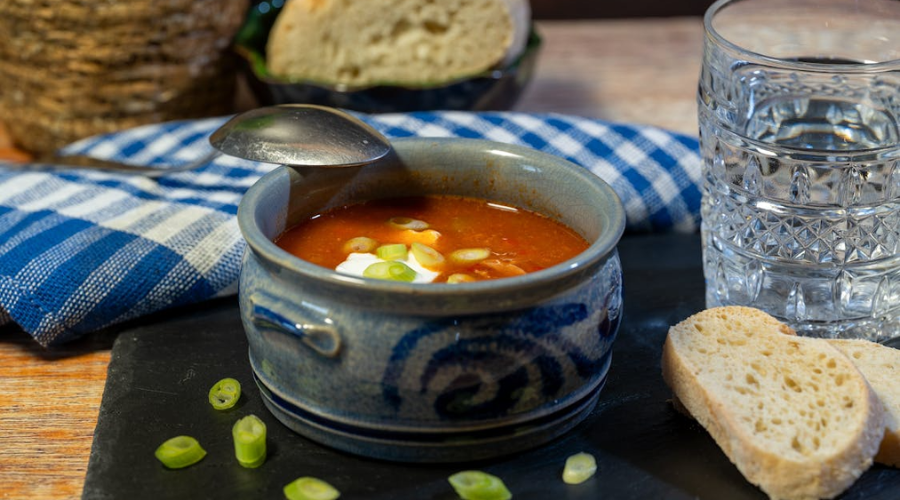
Introduction Immunity-boosting soups are a delicious and wholesome way to strengthen your body’s defenses while keeping you warm and nourished. Packed with nutrient-rich ingredients like garlic, ginger, turmeric, leafy greens, and protein-rich beans or chicken, these soups provide a natural shield against colds, flu, and seasonal illnesses. Beyond their nutritional value, they are comfort foods that soothe the body and soul, making them a staple in wellness-focused diets. Nutritional Benefits The secret to immunity-boosting soups lies in their powerhouse ingredients. Garlic and onions offer natural antibacterial and antiviral properties, while ginger and turmeric fight inflammation and strengthen immunity. Leafy greens such as spinach or kale are loaded with vitamins A, C, and K, essential for cellular health. When combined with protein sources like lentils or lean chicken, soups provide a balanced meal that fuels the body while supporting its defense mechanisms. Variety & Flavors Immunity-boosting soups come in countless varieties to suit every taste and dietary preference. From chicken soup with herbs and vegetables to spicy lentil soup with turmeric, or even a creamy mushroom soup rich in antioxidants, each recipe delivers both flavor and nutrition. You can also experiment with seasonal vegetables to maximize freshness and health benefits, ensuring every bowl feels hearty and satisfying. Practical Tips for Cooking To make the most of immunity-boosting soups, focus on fresh, whole ingredients rather than packaged mixes. Slow cooking enhances flavors and preserves nutrients, while adding herbs like thyme, rosemary, or cilantro can elevate both taste and healing properties. Consider adding a squeeze of lemon or a dash of black pepper before serving to increase vitamin absorption and aid digestion. Key Benefits of Immunity-Boosting Soups Conclusion Immunity-boosting soups are more than just comfort food—they are natural medicine in a bowl. With their combination of healing spices, fresh vegetables, and wholesome proteins, these soups strengthen the body from within while providing warmth and satisfaction. By making them a regular part of your diet, you can enjoy flavorful, nutrient-packed meals that keep your immune system strong and your body energized throughout the year.

Immunity-Boosting Soups Read More »

1

Low-Carb & Keto-Friendly Meals

Introduction Low-carb and keto-friendly meals have become increasingly popular for those aiming to lose weight, improve energy levels, and support better metabolic health. The ketogenic lifestyle focuses on reducing carbohydrate intake while increasing healthy fats and moderate protein. This eating pattern helps the body enter a state of ketosis, where it burns fat for fuel instead of glucose, leading to effective fat loss and sustained energy. Benefits of Keto-Friendly Meals Eating low-carb meals doesn’t just promote weight management—it also supports blood sugar control, improves mental clarity, and reduces sugar cravings. With carefully chosen ingredients like lean meats, fish, eggs, vegetables, nuts, and healthy oils, you can enjoy satisfying meals without the energy crashes associated with high-carb diets. Keto-friendly meals emphasize nutrient density while cutting out processed carbs and sugars. Meal Ideas and Variety One of the highlights of a low-carb lifestyle is the wide variety of foods available. You can enjoy zucchini noodles tossed in creamy Alfredo, grilled chicken with sautéed spinach, or a salmon fillet with avocado salad. Even breakfast becomes exciting with cheese omelets, chia seed puddings, or almond flour pancakes. These meals prove that low-carb eating doesn’t mean sacrificing taste or creativity. Practical Tips for Success Starting with simple swaps makes the transition easier—replace rice with cauliflower rice, bread with lettuce wraps, and pasta with spiralized vegetables. Keep healthy fats like olive oil, coconut oil, and avocados on hand for quick meal prep. Planning meals ahead of time ensures you stay consistent and avoid reaching for carb-heavy options. Key Benefits of Low-Carb & Keto Meals Practical Tips for Success Starting with simple swaps makes the transition easier—replace rice with cauliflower rice, bread with lettuce wraps, and pasta with spiralized vegetables. Keep healthy fats like olive oil, coconut oil, and avocados on hand for quick meal prep. Planning meals ahead of time ensures you stay consistent and avoid reaching for carb-heavy optio Conclusion Low-carb and keto-friendly meals are more than just a diet trend—they are a sustainable way of eating that can support weight management, improve energy, and boost overall wellness. With the right balance of proteins, healthy fats, and low-carb vegetables, these meals can be both satisfying and delicious. By making smart swaps and planning ahead, anyone can enjoy the benefits of this lifestyle while still enjoying flavorful and creative dishes.

Low-Carb & Keto-Friendly Meals Read More »

3

Superfood Quinoa Recipes

Introduction Quinoa, often called the “mother of all grains,” is a superfood packed with essential nutrients. Unlike most grains, it’s a complete protein, meaning it contains all nine essential amino acids. Naturally gluten-free and rich in fiber, quinoa has gained global popularity as a healthy staple that supports weight management, heart health, and overall wellness. Why Quinoa Is a Superfood Quinoa stands out from other grains because of its unique nutritional profile. It is rich in protein, magnesium, iron, and antioxidants that help fight inflammation and strengthen immunity. Its low glycemic index also makes it a perfect choice for people managing blood sugar levels. By incorporating quinoa into your meals, you get sustained energy without compromising on taste. The Versatility of Quinoa in Recipes One of the best things about quinoa is its versatility. You can enjoy it as a savory main dish, a healthy salad base, or even in desserts. From quinoa breakfast bowls topped with fruits to savory quinoa stir-fries, it adapts easily to any flavor profile. It’s also quick to cook, making it a convenient option for busy lifestyles. Quinoa for Breakfast Starting your day with quinoa ensures long-lasting energy and satiety. A warm quinoa porridge with almond milk, honey, and fresh berries makes for a nutritious alternative to oatmeal. You can also try quinoa breakfast muffins or mix it into yogurt bowls for a protein-packed morning boost. Quinoa for Lunch & Dinner Quinoa makes an excellent base for hearty lunch and dinner meals. Try quinoa salad with grilled chicken, cherry tomatoes, cucumbers, and feta for a refreshing dish. For something more filling, go for a quinoa and black bean bowl with avocado and lime dressing. You can even replace rice with quinoa in curries or stir-fries for added nutrients. Benefits of Quinoa Tips for Cooking with Quinoa For best results, rinse quinoa before cooking to remove its natural coating (saponin), which can taste bitter. Use a 2:1 water-to-quinoa ratio, and simmer until fluffy. For added flavor, cook it in vegetable broth instead of plain water. Mixing herbs, spices, or a splash of lemon juice enhances its taste and makes it more appealing. Healthy Lifestyle Connection Incorporating quinoa into your diet supports a balanced lifestyle. It pairs well with other superfoods like kale, avocado, nuts, and lean proteins, helping you create nutrient-dense meals. Whether you’re an athlete, someone managing weight, or simply aiming for healthier eating habits, quinoa recipes can fit seamlessly into your daily routine. Conclusion Superfood quinoa recipes are more than just trendy—they’re a smart way to eat for long-term health. With its high protein, essential nutrients, and versatility, quinoa makes it easy to prepare meals that are both nourishing and satisfying. From breakfast to dinner and even snacks, this ancient grain proves that eating healthy can also be simple and delicious. Making quinoa a regular part of your diet is a small step with big benefits for your fitness and overall well-being.

Superfood Quinoa Recipes Read More »

1

High-Protein Salad Bowls for Fitness

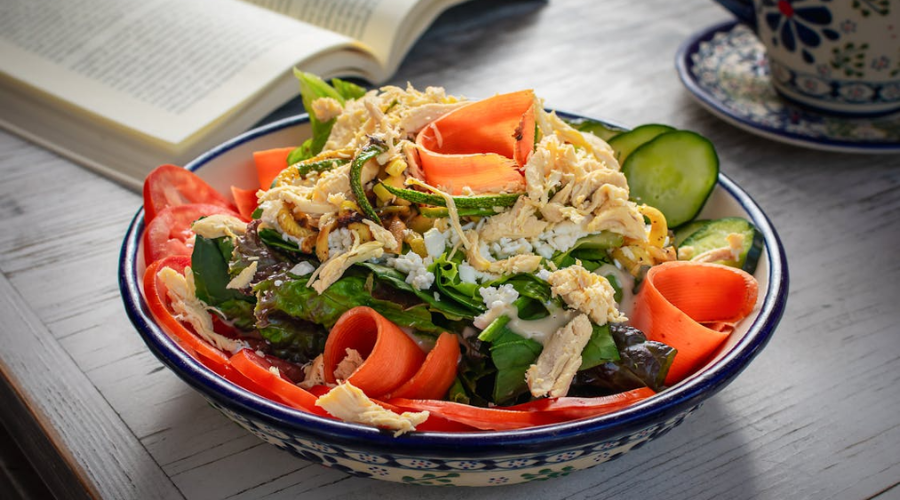
Introduction High-protein salad bowls have become a favorite among fitness lovers and health-conscious eaters. Packed with lean proteins, fresh vegetables, and wholesome grains, these bowls not only fuel your body but also help in muscle repair and weight management. They’re a versatile meal option that can be customized to suit anyone’s taste and nutritional needs. Why High-Protein Salad Bowls? Protein is an essential macronutrient that keeps you full for longer, boosts metabolism, and aids in building lean muscle. Unlike heavy meals, protein-packed salads are light yet filling, making them ideal for pre-workout energy or post-workout recovery. From grilled chicken and boiled eggs to chickpeas and quinoa, these bowls bring together taste and health in one plate. Building the Perfect Salad Bowl The secret to a balanced high-protein salad is variety. Start with a base of leafy greens like spinach, kale, or lettuce. Add a protein source such as tofu, lentils, salmon, or turkey. Include fiber-rich vegetables like bell peppers, cucumbers, or broccoli, and healthy fats like avocado or olive oil. Finish with a sprinkle of nuts, seeds, or cheese for extra nutrition and crunch. Benefits of High-Protein Salad Bowls Tips & Variations You can make your salad bowl exciting by experimenting with different cuisines. Try a Mediterranean-style bowl with hummus, olives, and feta, or an Asian-inspired bowl with soy-marinated tofu and sesame seeds. If you prefer plant-based, chickpeas, black beans, and edamame are excellent protein alternatives. With endless combinations, these bowls never get boring. Conclusion High-protein salad bowls are more than just a fitness trend—they’re a lifestyle choice that blends taste, nutrition, and convenience. By combining proteins, fresh vegetables, and wholesome toppings, they offer a nourishing meal that fits seamlessly into a healthy diet. Whether you’re an athlete, a busy professional, or someone who simply loves eating clean, these bowls are the perfect way to stay energized, satisfied, and on track with your wellness goals.

High-Protein Salad Bowls for Fitness Read More »

Eatenews.com serves up the latest buzz in the world of food, from trending recipes to culinary innovations.A delicious blend of food news, tips, and flavors for every foodie’s appetite.

QICK LINKS

Join the family!

Sign up for a Newsletter.

You have been successfully Subscribed! Ops! Something went wrong, please try again.

© 2025 Eatenews.com. All Rights Reserved.