- +44 070 2809 8032
- info@eatenews.com
- 39 Russell Rd ,Shipton-under-wychwood, United Kingdom.

Health is the foundation upon which every thriving society is built, yet it remains one of the most complex and dynamic aspects of human life. In a rapidly changing world shaped by technological advancements, environmental challenges, and shifting social structures, the idea of protecting health goes far beyond individual well-being. It extends into the broader concept of empowering communities, ensuring that every individual has access to the resources, knowledge, and support necessary to lead a healthy and fulfilling life. The phrase “Protecting Health, Empowering Communities” reflects a holistic approach that recognizes the interconnectedness of people, environments, and systems.
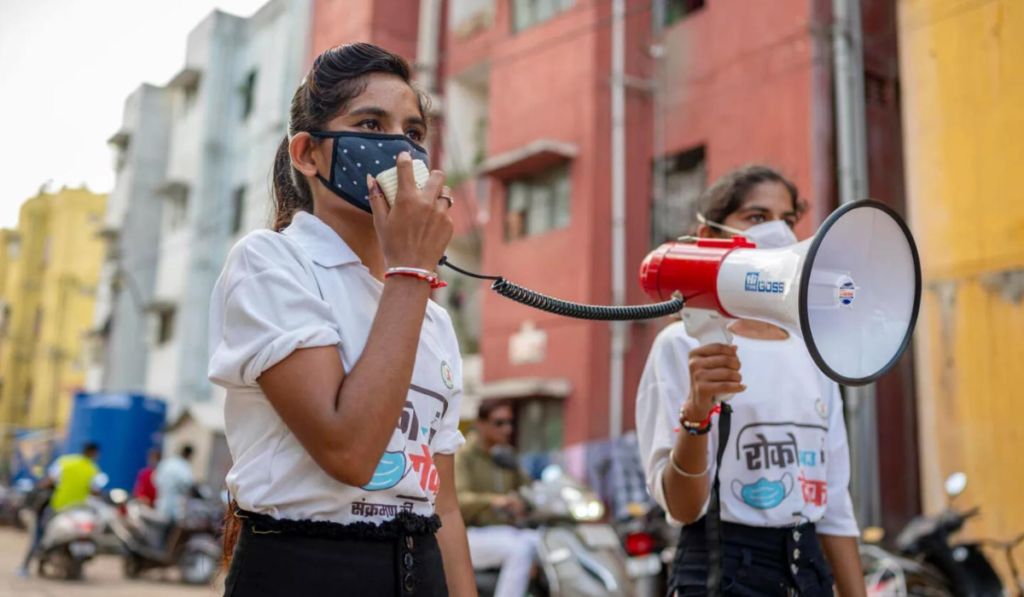
It emphasizes prevention over cure, education over ignorance, and collaboration over isolation. As communities grow and evolve, so must the strategies used to safeguard health, making it essential to adopt inclusive, sustainable, and forward-thinking practices that benefit everyone.
Health is often perceived as a personal matter, something that depends on individual choices such as diet, exercise, and lifestyle habits. While these factors are undeniably important, health is also deeply influenced by external conditions including access to clean water, quality healthcare, education, economic stability, and social support systems. A person living in a well-resourced environment with access to nutritious food and medical care has a significantly higher chance of maintaining good health compared to someone in a disadvantaged setting. This highlights the importance of addressing social determinants of health, which play a critical role in shaping outcomes at both individual and community levels. Protecting health, therefore, requires a broader perspective that considers the environments in which people live, work, and interact.
Public health systems serve as the backbone of community well-being, working tirelessly to prevent disease, promote healthy lifestyles, and respond to health emergencies. These systems encompass a wide range of services, including vaccination programs, disease surveillance, sanitation initiatives, and health education campaigns. By focusing on prevention and early intervention, public health efforts reduce the burden on healthcare systems and improve overall quality of life. Effective public health strategies rely on strong infrastructure, skilled professionals, and community engagement. When communities actively participate in health initiatives, the impact is significantly amplified, leading to sustainable improvements that benefit generations.
Prevention is one of the most effective ways to protect health, yet it is often overlooked in favor of treatment. Preventive measures such as regular health screenings, vaccinations, proper hygiene, and healthy lifestyle choices can significantly reduce the risk of disease. Education plays a crucial role in promoting preventive behaviors, empowering individuals with the knowledge needed to make informed decisions. Communities that prioritize prevention not only experience lower healthcare costs but also enjoy higher productivity and improved quality of life. By shifting the focus from reactive to proactive approaches, societies can build a stronger foundation for long-term health and resilience.
Education is a powerful tool that enables individuals and communities to take control of their health. Health education goes beyond basic awareness, providing people with the skills and confidence needed to adopt healthy behaviors and make informed choices. It covers a wide range of topics, including nutrition, physical activity, mental health, disease prevention, and environmental health. When people understand the impact of their actions on their well-being, they are more likely to engage in positive behaviors that contribute to overall health. Schools, workplaces, and community organizations play a vital role in delivering health education, ensuring that information reaches diverse populations.
Proper nutrition is a cornerstone of good health, influencing everything from physical growth and development to immune function and mental well-being. Access to nutritious food is essential for maintaining health, yet many communities face challenges such as food insecurity, limited availability of fresh produce, and reliance on processed foods. Addressing these issues requires a multi-faceted approach that includes improving food distribution systems, supporting local agriculture, and promoting healthy eating habits. Community initiatives such as nutrition programs, cooking workshops, and awareness campaigns can help individuals make healthier food choices, ultimately leading to better health outcomes.
Regular physical activity is essential for maintaining physical and mental health, reducing the risk of chronic diseases, and improving overall well-being. Encouraging active living within communities involves creating safe and accessible spaces for exercise, such as parks, walking trails, and recreational facilities. It also requires promoting a culture that values movement and physical fitness. Schools, workplaces, and local organizations can play a significant role in encouraging physical activity through programs and initiatives that make exercise enjoyable and accessible for all age groups. When communities prioritize active living, they create an environment that supports healthier lifestyles.
Mental health is an integral part of overall health, yet it is often neglected or stigmatized. Emotional well-being affects how individuals think, feel, and interact with others, influencing every aspect of life. Communities that prioritize mental health create supportive environments where individuals feel safe to seek help and express their emotions. This involves raising awareness, reducing stigma, and providing access to mental health services. Support systems such as counseling, peer groups, and community programs can make a significant difference in improving mental health outcomes. Empowering communities to address mental health challenges fosters resilience and strengthens social connections.
Technology has revolutionized the way health services are delivered, making it easier to access information, monitor health, and receive care. Telemedicine, mobile health applications, and wearable devices have expanded the reach of healthcare services, particularly in remote and underserved areas. These innovations enable individuals to take a more active role in managing their health, while also improving the efficiency of healthcare systems. However, the integration of technology must be accompanied by efforts to ensure accessibility and digital literacy, so that all members of the community can benefit from these advancements.
The environment plays a crucial role in shaping health outcomes, with factors such as air quality, water availability, and sanitation directly impacting well-being. Protecting the environment is therefore essential for protecting health. Sustainable practices such as reducing pollution, conserving resources, and promoting clean energy contribute to healthier communities. Environmental health initiatives require collaboration between governments, organizations, and individuals, emphasizing the importance of collective action. By creating cleaner and safer environments, communities can reduce the risk of disease and improve overall quality of life.
Empowering communities involves actively engaging individuals in health-related decisions and initiatives. When people feel a sense of ownership and responsibility, they are more likely to participate in programs and adopt healthy behaviors. Community engagement can take many forms, including volunteer work, local health committees, and public awareness campaigns. Collaboration between community members, healthcare providers, and policymakers is essential for developing effective solutions that address specific needs. By fostering a culture of participation, communities can build stronger networks and achieve better health outcomes.
Health inequalities remain a significant challenge, with disparities in access to healthcare, education, and resources affecting vulnerable populations. These inequalities are often rooted in social, economic, and environmental factors, making them complex and multifaceted. Addressing these issues requires targeted interventions that focus on improving access to services, reducing barriers, and promoting equity. Policies and programs must be designed to reach marginalized groups, ensuring that everyone has the opportunity to achieve optimal health. Empowering communities involves recognizing and addressing these disparities, creating a more inclusive and equitable system.
Effective policies and governance are essential for protecting health and empowering communities. Governments play a critical role in establishing regulations, allocating resources, and implementing programs that promote health and well-being. Strong leadership and collaboration between different sectors are necessary to address complex health challenges. Policies should be evidence-based, inclusive, and adaptable, ensuring that they meet the evolving needs of communities. By prioritizing health in decision-making processes, governments can create an environment that supports sustainable development and improved quality of life.
Resilience is the ability of communities to withstand and recover from challenges such as natural disasters, economic crises, and health emergencies. Building resilience involves strengthening infrastructure, improving access to resources, and fostering social connections. Communities that are resilient are better equipped to respond to crises and maintain stability. This requires a proactive approach that includes preparedness planning, risk assessment, and continuous improvement. Empowering communities to build resilience ensures that they can adapt to changing circumstances and protect their health in the face of adversity.
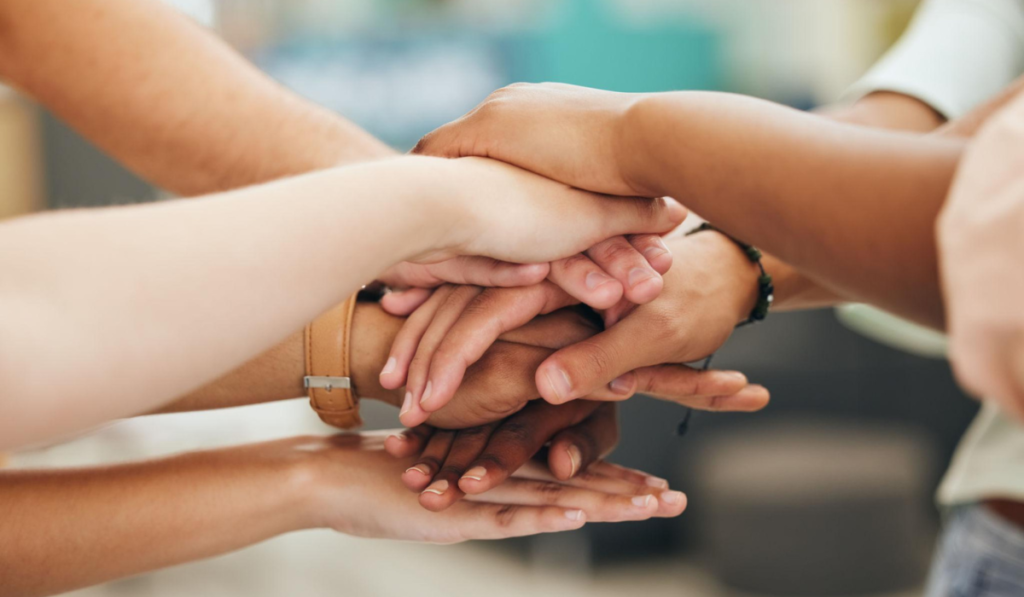
Collaboration is key to achieving the goal of protecting health and empowering communities. It involves partnerships between governments, healthcare providers, non-profit organizations, and individuals. By working together, these stakeholders can pool resources, share knowledge, and develop innovative solutions to complex health challenges. Collaboration also fosters a sense of unity and shared responsibility, strengthening community bonds. When diverse perspectives are considered, the resulting strategies are more comprehensive and effective, leading to better outcomes for everyone.
Cultural beliefs and practices play a significant role in shaping health behaviors and attitudes. Health initiatives must be culturally sensitive and respectful, taking into account the values and traditions of different communities. This involves engaging with community leaders, understanding local contexts, and tailoring programs to meet specific needs. By respecting cultural diversity, health initiatives can achieve greater acceptance and effectiveness. Empowering communities means recognizing their unique identities and working collaboratively to promote health in ways that align with their values.
As the world continues to evolve, so too must the approaches to protecting health and empowering communities. Emerging challenges such as climate change, urbanization, and technological advancements require innovative solutions and adaptive strategies. The future of community health lies in embracing a holistic approach that integrates physical, mental, and environmental well-being. It also involves leveraging technology, strengthening partnerships, and prioritizing sustainability. By staying proactive and forward-thinking, communities can navigate these challenges and continue to thrive.
Protecting health and empowering communities is not a singular effort but a continuous journey that requires commitment, collaboration, and innovation. It involves recognizing the interconnectedness of individuals and their environments, addressing social determinants, and promoting equitable access to resources. By focusing on prevention, education, and community engagement, societies can create a strong foundation for lasting health and well-being. The vision of healthy, empowered communities is achievable when individuals, organizations, and governments work together towards a common goal. Through collective action and shared responsibility, it is possible to build a future where health is protected, communities are empowered, and every individual has the opportunity to lead a healthy and fulfilling life.