- +44 070 2809 8032
- info@eatenews.com
- 39 Russell Rd ,Shipton-under-wychwood, United Kingdom.

Mental wellness is often spoken about as something influenced by the world outside—relationships, work pressure, financial stability, and social environments. While these external factors undeniably play a role, true mental wellness begins much deeper. It starts within the mind, rooted in how thoughts are processed, how emotions are understood, and how individuals choose to respond to life’s inevitable challenges. In a world that constantly demands attention, productivity, and perfection, the inner landscape of the human mind often becomes neglected. Yet, it is precisely this inner world that determines the quality of life, shaping perceptions, decisions, and ultimately, one’s sense of happiness and fulfillment.
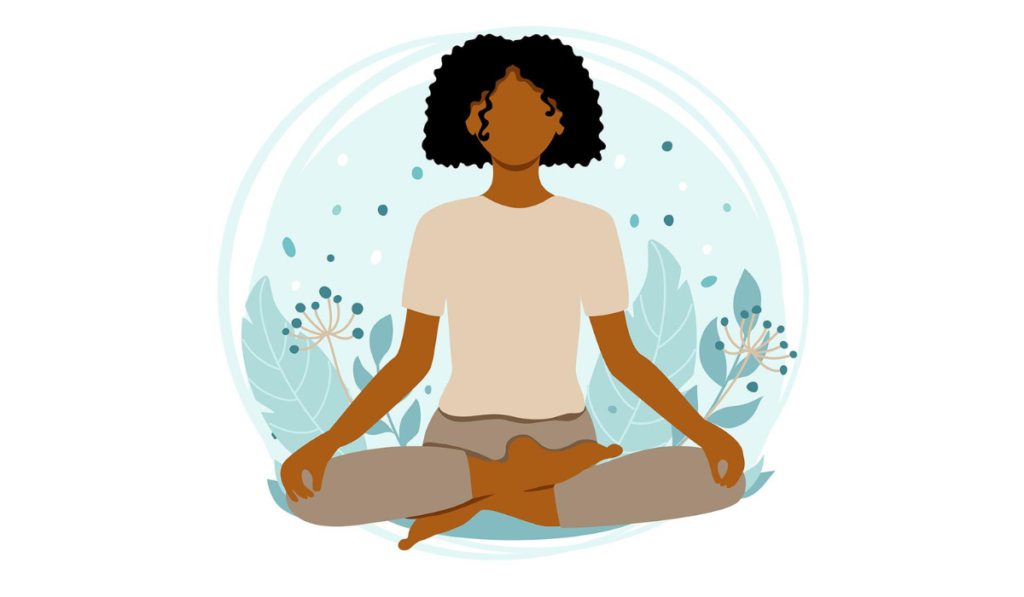
The concept of mental wellness is not limited to the absence of mental illness. Rather, it is a dynamic state of well-being in which individuals are aware of their abilities, can cope with normal stresses, work productively, and contribute meaningfully to their communities. It is about balance—emotional, psychological, and social. When this balance is achieved, life feels more manageable, meaningful, and satisfying. However, this balance cannot be imposed from the outside. It must be cultivated internally through conscious effort, self-awareness, and a willingness to grow.
At the core of mental wellness lies self-awareness. Understanding one’s thoughts, feelings, strengths, and limitations forms the foundation for inner peace. Without self-awareness, individuals often become reactive rather than reflective, allowing external situations to dictate their emotional state. When a person begins to observe their inner dialogue, they start to recognize patterns—negative thinking, self-doubt, or unrealistic expectations—that may be holding them back. This awareness is the first step toward transformation. It allows individuals to question their thoughts instead of blindly believing them, creating space for healthier perspectives.
Another essential aspect of mental wellness is emotional regulation. Emotions are a natural and necessary part of human experience, yet many people struggle to manage them effectively. Suppressing emotions can lead to internal turmoil, while uncontrolled emotional expression can damage relationships and self-esteem. Learning to acknowledge emotions without being overwhelmed by them is a skill that develops over time. It requires patience, practice, and compassion toward oneself. When individuals learn to sit with their emotions, understand their origins, and respond thoughtfully rather than impulsively, they gain a sense of control over their inner world.
The role of thoughts in shaping mental wellness cannot be overstated. Thoughts influence emotions, which in turn affect behavior. Negative thought patterns such as overthinking, catastrophizing, or self-criticism can create a cycle of distress that feels difficult to escape. Breaking this cycle requires conscious effort to challenge and reframe these thoughts. Positive thinking does not mean ignoring reality or pretending everything is perfect. Instead, it involves adopting a balanced perspective—recognizing difficulties while also acknowledging strengths and possibilities. Over time, this shift in thinking can significantly improve mental well-being.
Self-compassion is another powerful element in the journey toward mental wellness. Many individuals are their own harshest critics, holding themselves to unrealistic standards and dwelling on mistakes. This constant self-judgment can lead to feelings of inadequacy and low self-worth. Practicing self-compassion means treating oneself with the same kindness and understanding that would be offered to a friend. It involves accepting imperfections, forgiving mistakes, and recognizing that failure is a part of growth. When individuals learn to be gentle with themselves, they create a supportive inner environment that fosters resilience and confidence.
The importance of mindfulness in mental wellness has gained increasing recognition in recent years. Mindfulness is the practice of being fully present in the moment, without judgment. It encourages individuals to focus on the here and now rather than dwelling on the past or worrying about the future. This simple yet powerful practice can reduce stress, improve concentration, and enhance emotional regulation. By paying attention to thoughts and sensations without getting caught up in them, individuals develop a deeper connection with themselves. This connection is essential for understanding inner needs and maintaining mental balance.
Lifestyle choices also play a significant role in mental wellness. Physical health and mental health are closely interconnected, and neglecting one can impact the other. Regular physical activity, a balanced diet, and adequate sleep are fundamental to maintaining a healthy mind. Exercise releases endorphins, which are natural mood enhancers, while proper nutrition supports brain function. Sleep, often overlooked, is crucial for emotional stability and cognitive performance. When the body is well cared for, the mind is better equipped to handle stress and challenges.
Social connections, although external, influence internal well-being in profound ways. Humans are inherently social beings, and meaningful relationships contribute to a sense of belonging and support. However, the quality of relationships matters more than quantity. Surrounding oneself with positive, understanding, and supportive individuals can uplift the mind, while toxic relationships can drain energy and negatively impact mental health. Building healthy relationships requires communication, empathy, and mutual respect. At the same time, it is important to maintain boundaries to protect one’s mental space.
Stress is an inevitable part of life, but how it is managed determines its impact on mental wellness. Chronic stress can lead to burnout, anxiety, and physical health issues. Developing effective coping strategies is essential for maintaining balance. These strategies may include relaxation techniques, time management, engaging in hobbies, or simply taking breaks when needed. Learning to prioritize and letting go of unnecessary pressures can significantly reduce stress levels. It is not about eliminating stress entirely but about managing it in a way that does not overwhelm the mind.
The role of purpose and meaning in life is deeply connected to mental wellness. When individuals have a sense of purpose, they are more motivated, resilient, and satisfied. Purpose provides direction and helps individuals navigate challenges with a sense of clarity. It does not have to be something grand or extraordinary. Simple goals, passions, or contributions to others can create a sense of fulfillment. Discovering purpose often involves self-reflection and exploration, understanding what truly matters, and aligning actions with personal values.
Technology and modern lifestyles have introduced new challenges to mental wellness. Constant connectivity, social media comparisons, and information overload can create feelings of inadequacy, anxiety, and distraction. While technology offers many benefits, it is important to use it mindfully. Setting boundaries, limiting screen time, and focusing on real-life interactions can help maintain mental balance. Taking time to disconnect from digital noise allows individuals to reconnect with themselves and their surroundings.
Mental wellness also involves accepting change and uncertainty. Life is unpredictable, and resisting change can lead to frustration and stress. Developing adaptability and resilience is key to navigating life’s ups and downs. Resilience does not mean avoiding difficulties but rather facing them with strength and determination. It involves learning from experiences, growing through challenges, and maintaining hope even in difficult times. This inner strength is built gradually through experiences and self-belief.
Seeking help when needed is an important aspect of mental wellness. There is often a stigma associated with discussing mental health or seeking professional support. However, acknowledging the need for help is a sign of strength, not weakness. Therapists, counselors, and support groups can provide valuable guidance and tools for managing mental health challenges. Talking openly about struggles can bring relief and perspective, reducing feelings of isolation.
Creativity and self-expression are powerful outlets for maintaining mental wellness. Engaging in activities such as writing, painting, music, or any form of creative expression allows individuals to process emotions and explore their inner world. These activities provide a sense of freedom and can be deeply therapeutic. They offer a way to express feelings that may be difficult to articulate otherwise, contributing to emotional clarity and balance.
Gratitude is another simple yet effective practice for enhancing mental wellness. Focusing on what is positive in life, rather than what is lacking, can shift perspective and improve mood. Practicing gratitude does not mean ignoring challenges but rather acknowledging the good alongside the difficult. This shift in focus can create a more optimistic outlook, reducing stress and increasing overall satisfaction.
Ultimately, mental wellness is a continuous journey rather than a destination. It requires ongoing effort, self-reflection, and adaptation. There will be times of struggle and moments of clarity, periods of growth and phases of rest. Embracing this journey with patience and openness allows individuals to develop a deeper understanding of themselves. It is about building a relationship with one’s own mind—one that is supportive, compassionate, and resilient.

In conclusion, mental wellness truly starts within. While external circumstances influence life, the way individuals perceive and respond to these circumstances is shaped by their inner world. By cultivating self-awareness, emotional regulation, positive thinking, and self-compassion, individuals can create a strong foundation for mental well-being. Supporting this foundation with healthy lifestyle choices, meaningful relationships, and mindful practices further enhances inner balance. In a fast-paced and often demanding world, turning inward may seem challenging, but it is the most powerful step toward lasting mental wellness.