- +44 070 2809 8032
- info@eatenews.com
- 39 Russell Rd ,Shipton-under-wychwood, United Kingdom.

In today’s fast-moving world, the idea of living a balanced life often feels like a distant dream rather than an achievable reality. Responsibilities grow heavier, expectations rise higher, and time seems to slip away faster than ever before. Amid this constant rush, maintaining balance between physical health, mental clarity, emotional stability, relationships, and personal growth becomes not just important, but essential. A balanced life is not about perfection or strict routines; instead, it is about creating harmony between different aspects of living so that no single area overwhelms the others.

It is a continuous journey of self-awareness, mindful choices, and sustainable habits that shape overall well-being. This journey does not demand drastic changes overnight, but rather encourages gradual improvements that lead to long-term fulfillment and peace.
Balance in life is often misunderstood as giving equal time and energy to everything. In reality, balance is deeply personal and dynamic. It shifts depending on circumstances, priorities, and stages of life. For one person, balance might mean managing work and family efficiently, while for another, it could involve focusing on health and emotional healing. True balance lies in aligning daily actions with personal values and ensuring that no critical aspect of life is neglected for too long. It is about knowing when to push forward and when to pause, when to say yes and when to say no, and when to focus on productivity versus rest. This understanding forms the foundation of a healthier and more fulfilling lifestyle.
Physical health is one of the most visible and fundamental aspects of balance. Without a healthy body, it becomes difficult to enjoy life or pursue goals effectively. Maintaining physical health does not require extreme fitness routines or strict dieting; rather, it involves consistent, mindful habits such as eating nutritious meals, staying hydrated, engaging in regular physical activity, and ensuring adequate sleep. Exercise not only strengthens the body but also improves mood, boosts energy levels, and enhances mental clarity. Similarly, sleep plays a crucial role in restoring the body and mind, allowing individuals to function at their best. When physical health is prioritized, it creates a strong foundation upon which all other aspects of life can thrive.
Mental health is equally important as physical health, yet it is often overlooked. A balanced life requires a calm and focused mind that can handle stress, adapt to challenges, and maintain clarity in decision-making. Mental well-being involves managing thoughts, reducing stress, and cultivating a positive mindset. Practices such as mindfulness, meditation, and deep breathing can significantly improve mental health by reducing anxiety and increasing awareness. Taking breaks from work, limiting exposure to negative influences, and engaging in activities that bring joy also contribute to a healthier mind. When mental well-being is nurtured, it becomes easier to maintain emotional stability and build meaningful connections with others.
Emotional health is a critical yet subtle component of a balanced life. It involves understanding and managing emotions effectively rather than suppressing or ignoring them. Emotional balance allows individuals to respond thoughtfully to situations instead of reacting impulsively. Developing self-awareness is the first step toward emotional stability. It helps in recognizing triggers, understanding feelings, and addressing underlying issues. Expressing emotions in healthy ways, such as through communication, journaling, or creative outlets, can prevent emotional buildup and stress. Building emotional resilience also enables individuals to cope with setbacks and maintain a positive outlook even during difficult times.
Human connections play a vital role in achieving balance. Strong relationships provide support, encouragement, and a sense of belonging. Whether it is family, friends, or colleagues, maintaining healthy relationships requires time, effort, and mutual respect. Communication is the key to building and sustaining these connections. Listening actively, expressing thoughts honestly, and resolving conflicts calmly can strengthen relationships significantly. Spending quality time with loved ones not only enhances emotional well-being but also creates lasting memories and a sense of fulfillment. A balanced life includes nurturing these relationships while also maintaining personal boundaries to ensure individual growth.
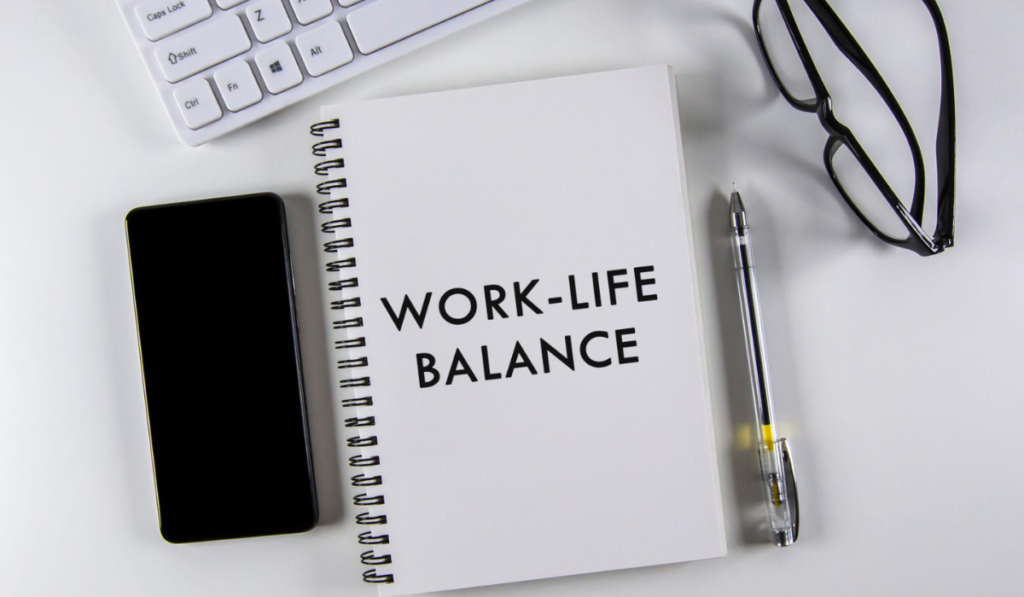
One of the biggest challenges in modern life is finding harmony between work and personal life. With increasing professional demands, it becomes easy to get consumed by work, leaving little time for rest or personal interests. Achieving work-life balance does not necessarily mean reducing workload but rather managing time and energy effectively. Setting clear boundaries, prioritizing tasks, and avoiding overcommitment are essential steps in maintaining this balance. Taking regular breaks, disconnecting from work after hours, and engaging in hobbies can prevent burnout and improve productivity. When work and personal life are in harmony, it leads to greater satisfaction and overall well-being.
Time is one of the most valuable resources, and managing it wisely is crucial for a balanced life. Poor time management often leads to stress, missed opportunities, and an overwhelming sense of chaos. Effective time management involves setting priorities, creating realistic schedules, and avoiding unnecessary distractions. Planning the day ahead, breaking tasks into manageable steps, and focusing on one task at a time can significantly improve efficiency. It is also important to allocate time for rest and leisure, as constant busyness can lead to exhaustion. By managing time effectively, individuals can create space for all aspects of life, ensuring a more balanced and fulfilling experience.
A balanced life is not just about maintaining stability but also about continuous growth. Personal development involves learning new skills, gaining knowledge, and exploring potential. It keeps life interesting and adds a sense of purpose. Setting goals, whether small or large, provides direction and motivation. Reading, attending workshops, or simply exploring new experiences can contribute to personal growth. It is also important to reflect on progress and celebrate achievements, no matter how small they may seem. Growth does not always have to be rapid; even slow and steady improvement can lead to significant transformation over time.
Nutrition plays a vital role in maintaining both physical and mental health. A balanced diet provides the necessary nutrients required for energy, growth, and overall functioning of the body. Consuming a variety of foods, including fruits, vegetables, whole grains, proteins, and healthy fats, ensures that the body receives essential vitamins and minerals. Avoiding excessive consumption of processed foods, sugar, and unhealthy fats can prevent various health issues. Eating mindfully, paying attention to hunger and fullness cues, and maintaining regular meal times can further enhance the benefits of a balanced diet. Good nutrition not only supports physical health but also improves mood and cognitive function.
Stress is an inevitable part of life, but managing it effectively is essential for maintaining balance. Chronic stress can negatively impact both physical and mental health, leading to fatigue, anxiety, and various health problems. Identifying sources of stress and finding ways to address them is the first step toward stress management. Relaxation techniques such as meditation, yoga, deep breathing, and spending time in nature can help reduce stress levels. Engaging in hobbies, listening to music, or simply taking time to unwind can also provide relief. Developing a healthy approach to stress ensures that it does not overpower other aspects of life.
In a world that often glorifies constant productivity, rest is sometimes seen as a luxury rather than a necessity. However, rest and recovery are essential for maintaining balance and preventing burnout. Adequate sleep allows the body and mind to repair and recharge, improving overall performance and well-being. Taking breaks during the day, allowing time for relaxation, and avoiding overexertion are equally important. Rest is not a sign of weakness but a vital component of a healthy lifestyle. By prioritizing rest, individuals can sustain energy levels and maintain a positive outlook.
Financial well-being is another important aspect of a balanced life. While money alone cannot bring happiness, financial stability provides security and reduces stress. Managing finances responsibly, creating budgets, and saving for the future are essential practices. Avoiding unnecessary debt and making informed financial decisions can prevent long-term issues. Financial balance does not mean excessive wealth but rather having enough resources to meet needs and pursue goals comfortably. When financial stress is minimized, it becomes easier to focus on other areas of life.
Technology has become an integral part of modern life, offering convenience and connectivity. However, excessive use of digital devices can disrupt balance and affect mental health. Constant exposure to screens, social media, and information overload can lead to stress, distraction, and reduced productivity. Setting limits on screen time, taking digital breaks, and engaging in offline activities can help maintain digital balance. Being mindful of how technology is used ensures that it serves as a tool for improvement rather than a source of imbalance.
Achieving a balanced life is not about temporary changes but about building sustainable habits that can be maintained over time. Small, consistent actions often lead to significant results. Instead of aiming for perfection, focusing on progress and consistency can create lasting change. Developing routines, setting realistic expectations, and staying committed to goals are key elements of habit formation.
It is also important to be flexible and adapt to changing circumstances. Sustainable habits provide stability and make it easier to maintain balance in the long run.
The journey toward a balanced life is not without challenges. There will be times when priorities shift, plans fail, or unexpected situations arise. During such moments, it is important to remain patient and resilient. Accepting that imbalance is sometimes unavoidable can reduce frustration and stress. Learning from experiences, adjusting strategies, and continuing to move forward can help overcome obstacles. Balance is not a fixed state but a continuous process of adjustment and growth.
A balanced life is not defined by perfection but by harmony, awareness, and intentional living. It is a journey that involves nurturing physical health, maintaining mental clarity, managing emotions, building strong relationships, and pursuing personal growth. By making mindful choices and adopting sustainable habits, it is possible to create a life that is both fulfilling and meaningful. Balance does not mean having everything under control at all times but rather being able to navigate life’s ups and downs with resilience and grace. Ultimately, the path to a balanced life is unique for each individual, shaped by personal values, experiences, and aspirations. By embracing this journey with patience and determination, a truly harmonious and satisfying life can be achieved.