- +44 070 2809 8032
- info@eatenews.com
- 39 Russell Rd ,Shipton-under-wychwood, United Kingdom.

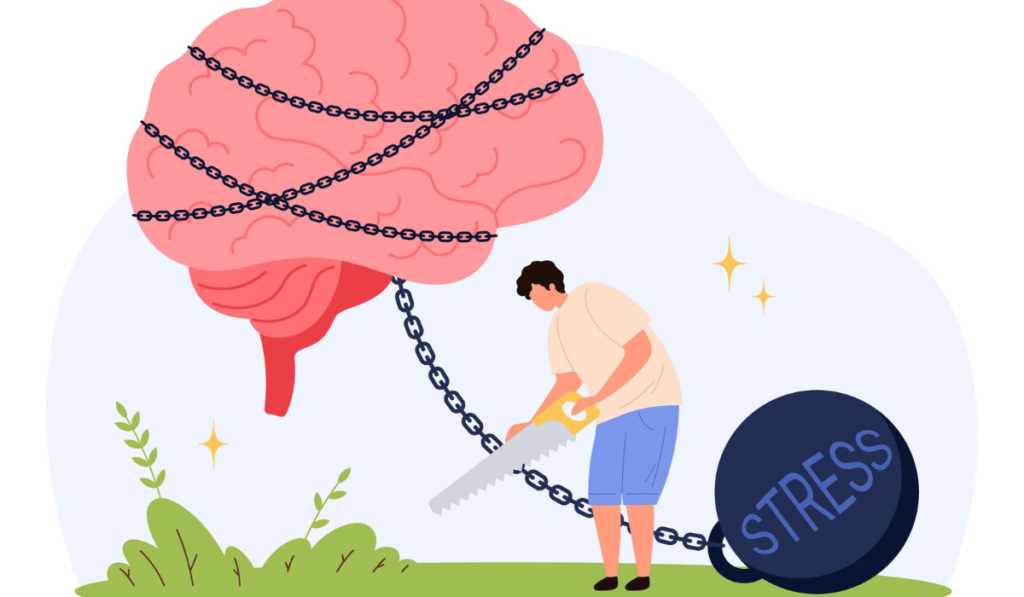
Stress has become an inseparable part of modern life, quietly weaving itself into daily routines, relationships, and even personal identity. From the moment the day begins, thoughts about responsibilities, deadlines, expectations, and uncertainties often rush in, setting the tone for a mind that rarely gets the chance to rest. In a world that constantly demands productivity, success, and perfection, stress is no longer seen as an occasional challenge but as a constant companion. Yet, beneath this overwhelming presence lies a powerful truth—stress is not an unchangeable reality. It is a response, a signal, and most importantly, something that can be understood, managed, and ultimately transformed.
To break free from stress is not about eliminating responsibilities or escaping life’s challenges. It is about changing the way the mind and body respond to those challenges. Stress often arises not from the situation itself, but from the perception of it. Two individuals can face the same circumstance, yet experience entirely different levels of stress depending on their mindset, emotional resilience, and coping strategies. This reveals a hopeful perspective: if stress is influenced by perception, then it can be reshaped by awareness and conscious effort.
The journey to living better begins with understanding what stress truly is. At its core, stress is the body’s natural response to perceived threats or demands. When faced with pressure, the body activates a survival mechanism, releasing hormones like adrenaline and cortisol. These chemicals prepare the body for action, increasing heart rate, sharpening focus, and enhancing physical readiness. While this response can be beneficial in short bursts, prolonged activation leads to exhaustion, anxiety, and a decline in overall health. Chronic stress can affect sleep, digestion, immunity, and even emotional stability, creating a cycle that becomes difficult to break.
One of the most overlooked aspects of stress is its subtle nature. It does not always appear as overwhelming panic or visible tension. Sometimes, it hides in constant fatigue, irritability, lack of motivation, or an unexplained sense of dissatisfaction. People often adapt to these feelings, considering them normal, without realizing they are living under continuous stress. This normalization makes it even more important to pause and reflect, to ask whether the current state of mind truly supports a healthy and fulfilling life.
Breaking free from stress requires a shift in awareness. The first step is recognizing the triggers that cause stress. These triggers can be external, such as work pressure, financial concerns, or relationship conflicts, or internal, such as self-doubt, unrealistic expectations, and negative thinking patterns. By identifying these triggers, it becomes possible to understand the root of stress rather than just reacting to its symptoms. Awareness creates a space between the trigger and the response, allowing for conscious choices instead of automatic reactions.
Equally important is the role of the mind in amplifying stress. Thoughts have immense power, often shaping reality more strongly than actual events. A single negative thought can spiral into a series of worries, creating a sense of fear and urgency that may not be grounded in reality. Learning to observe thoughts without immediately believing them is a crucial skill. This does not mean ignoring problems but approaching them with clarity rather than panic. When the mind becomes calmer, solutions appear more accessible, and challenges seem less intimidating.
The body also plays a vital role in managing stress. Physical well-being and mental health are deeply interconnected. Simple practices such as regular movement, balanced nutrition, and adequate sleep can significantly reduce stress levels. Exercise, for instance, is not just about fitness; it is a powerful stress reliever. It helps release built-up tension, improves mood, and enhances overall energy levels. Similarly, proper sleep allows the mind and body to recover, process emotions, and prepare for the next day. Without sufficient rest, stress accumulates, making even small challenges feel overwhelming.
Breathing, though often taken for granted, is another powerful tool in stress management. When stress levels rise, breathing tends to become shallow and rapid, signaling the body to remain in a state of alertness. By consciously slowing down the breath, it is possible to send a message to the body that it is safe to relax. Deep, steady breathing calms the nervous system, reduces anxiety, and creates a sense of balance. This simple act, when practiced regularly, can become a reliable anchor in moments of stress.
Emotional expression is another essential aspect of living better. Suppressing emotions may seem like a way to maintain control, but it often leads to increased stress over time. Emotions need to be acknowledged and expressed in healthy ways. Talking to a trusted person, writing down thoughts, or engaging in creative activities can provide an outlet for emotional release. When emotions are processed instead of suppressed, they lose their intensity, making it easier to move forward.
Another significant factor in stress is the pressure of expectations. In a world driven by comparison and achievement, people often set unrealistic standards for themselves. The desire to meet these expectations can lead to constant self-criticism and dissatisfaction. Learning to set realistic goals and embracing imperfections can reduce this pressure. It is important to remember that growth is a journey, not a race. Progress, no matter how small, is still meaningful.
Time management also plays a crucial role in reducing stress. Feeling overwhelmed often comes from trying to handle too many tasks at once without clear priorities. Organizing tasks, setting boundaries, and allowing time for rest can create a sense of control. It is not about doing more but doing what truly matters with clarity and focus. When time is managed effectively, the mind feels less cluttered, and stress naturally decreases.
Relationships, too, have a profound impact on stress levels. Supportive connections can act as a buffer against stress, providing comfort, understanding, and encouragement. On the other hand, toxic or draining relationships can significantly increase stress. Choosing to nurture positive relationships and setting boundaries with negative influences is essential for emotional well-being. Human connection, when healthy, brings a sense of belonging and reduces feelings of isolation.
Technology, while beneficial, has also contributed to rising stress levels. Constant notifications, information overload, and the pressure to stay connected can overwhelm the mind. Taking breaks from screens, limiting exposure to unnecessary information, and creating moments of silence can help restore mental clarity. Digital balance is not about avoiding technology but using it in a way that supports rather than disrupts well-being.
Mindfulness is a powerful practice that encourages living in the present moment. Stress often arises from dwelling on the past or worrying about the future. By focusing on the present, it becomes easier to appreciate what is happening now without unnecessary mental burden. Mindfulness can be practiced in simple ways, such as paying attention to breathing, observing surroundings, or fully engaging in daily activities. Over time, this practice strengthens the ability to remain calm and centered even in challenging situations.
Gratitude is another transformative approach to reducing stress. When the mind is constantly focused on what is lacking, it creates a sense of dissatisfaction. Shifting focus to what is already present and meaningful can bring a sense of contentment. Gratitude does not eliminate problems but changes the perspective, making it easier to handle them with a positive mindset. Even small moments of appreciation can create a significant impact on overall well-being.
Self-care is often misunderstood as indulgence, but in reality, it is a necessity. Taking time to care for oneself is not a luxury but a responsibility. Whether it is engaging in a hobby, spending time in nature, or simply resting, self-care replenishes energy and reduces stress. It allows the mind and body to recharge, making it easier to face life’s challenges with resilience.
Breaking free from stress also involves letting go of control over things that cannot be changed. Much of stress comes from trying to control outcomes, situations, or other people’s actions. Accepting uncertainty and focusing on what can be controlled—thoughts, actions, and responses—creates a sense of peace. Acceptance does not mean giving up; it means choosing to invest energy where it truly matters.

Resilience is a key element in living better. Life will always present challenges, but resilience determines how those challenges are handled. Building resilience involves developing a positive mindset, learning from experiences, and maintaining hope even in difficult times. It is about bouncing back stronger rather than being overwhelmed by setbacks.
Ultimately, breaking free from stress is not a one-time achievement but an ongoing process. It requires awareness, effort, and patience. There will be moments of struggle, but each step taken toward understanding and managing stress brings progress. Over time, these small changes create a significant transformation, leading to a life that feels more balanced, fulfilling, and peaceful. Living better is not about eliminating all stress but about creating a life where stress no longer dominates. It is about finding calm within chaos, strength within challenges, and joy within simplicity. By nurturing the mind, caring for the body, and embracing a positive perspective, it becomes possible to break free from stress and truly experience the richness of life.